



Phân tích các quy trình tự động hóa trong dây chuyền sản xuất gạch: Định hình giá trị từ nguyên liệu thô đến sản phẩm hoàn thiện
Sản xuất gạch xây hiện đại đã phát triển thành một quy trình kỹ thuật vật liệu liên tục được điều phối chính xác bởi PLC (Bộ điều khiển logic lập trình). Dây chuyền sản xuất này không chỉ đơn thuần là sự biến đổi về hình thức vật lý, mà còn là sự theo đuổi và củng cố giới hạn về hiệu suất vật liệu. Từ nguyên liệu thô đến sản phẩm xây dựng cường độ cao, mỗi quy trình đều mang một nhiệm vụ kỹ thuật cụ thể và logic kiểm soát chất lượng.
I. Phối hợp chính xác: Điều khiển kỹ thuật số tại nguồn sức mạnh
Dây chuyền sản xuất bắt đầu với hệ thống cấp liệu và định lượng nguyên liệu, đây là nguồn đảm bảo chất lượng sản phẩm. Cốt liệu được định lượng liên tục bằng cân băng tải, trong khi xi măng và bột được cung cấp chính xác bằng băng tải trục vít. Tất cả dữ liệu được truyền về hệ thống. Hệ thống điều khiển PLC Trong thời gian thực. Giá trị cốt lõi của quy trình này nằm ở khả năng neo giữ các đặc tính vĩ mô của sản phẩm cuối cùng, chẳng hạn như cường độ nén và độ bền, vào tỷ lệ của từng hạt nguyên liệu thô ở cấp độ vi mô thông qua định lượng kỹ thuật số. Ngay cả những sai lệch nhỏ trong quá trình trộn cũng có thể bị khuếch đại trong các bước rung và đóng rắn tiếp theo. Do đó, định lượng chính xác cao là điều kiện tiên quyết hàng đầu để đạt được chất lượng nhất quán.
II. Hiệu ứng "tạo đá nhân tạo" của phương pháp rung và đầm nén tích hợp
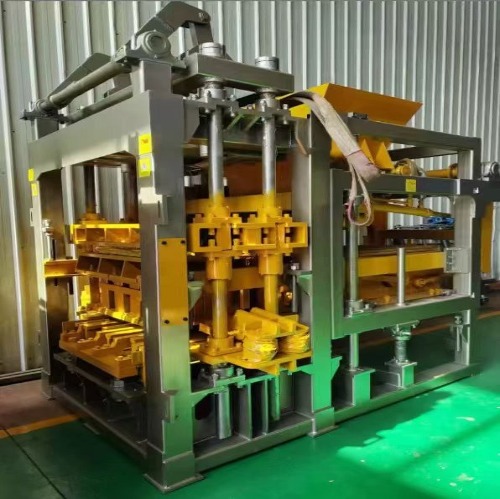
Sau quá trình đặt vật liệu, giai đoạn nén rung lõi khởi động quá trình "làm đặc mạnh mẽ". Quá trình này không chỉ đơn thuần là nén vật lý, mà còn mô phỏng và đẩy nhanh các cơ chế cơ học hình thành đá trong tự nhiên.
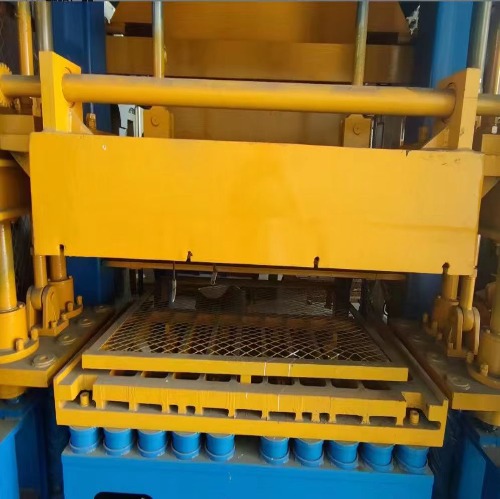
rung động tần số cao (3000-4500 lần/phút) khiến các hạt hỗn hợp chuyển động mạnh, khắc phục hiệu quả ma sát bên trong giữa các hạt và nhanh chóng đẩy không khí bị kẹt trong quá trình trộn ra ngoài. Áp suất thủy lực sau đó tạo ra áp lực 16-32 MPa, đẩy mạnh các hạt đã rung đến trạng thái nén chặt nhất. Hiệu ứng kết hợp của "rung trước khi nén" hoặc "rung trong khi nén" có thể đạt được mật độ trên 98% trong bê tông khô cứng trong thời gian rất ngắn (8-15 giây). Sự hình thành lớp vữa trên bề mặt là một chỉ báo trực quan về việc nén chặt đúng cách, cho thấy các khe hở của cốt liệu đã được lấp đầy hoàn toàn bằng các hạt mịn và hồ xi măng, tạo nền tảng vi cấu trúc không khuyết tật cho sự phát triển cường độ sau này.
III. Tháo khuôn và vận chuyển: Ứng dụng công nghiệp của cường độ ban đầu
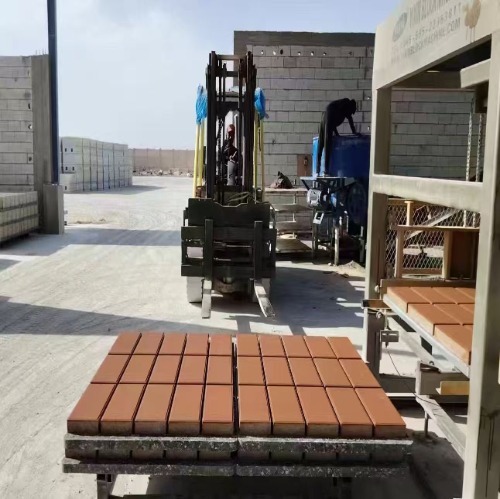
Sau quá trình đầm rung, gạch ướt đạt cường độ ban đầu ít nhất 2 MPa, đủ để tháo khuôn và vận chuyển cơ khí ngay lập tức. Chỉ số này rất tiết kiệm – có nghĩa là quá trình sản xuất không cần phải chờ đợi thời gian đông kết tự nhiên dài; việc tháo khuôn, luân chuyển pallet và xếp dỡ bằng băng tải có thể được hoàn thành liên tục và với tốc độ cao trên dây chuyền sản xuất. Chìa khóa của quy trình này là việc vận chuyển nhanh chóng gạch ướt đến khu vực bảo dưỡng, giải phóng nguồn lực khuôn mẫu đắt tiền và tối ưu hóa chu kỳ sản xuất.
IV. Quá trình bảo dưỡng: Sức mạnh thầm lặng của thời gian, nhiệt độ và độ ẩm
Nếu như quá trình đầm rung tạo cho gạch một "khung xương", thì giai đoạn bảo dưỡng là yếu tố quan trọng mang lại cho chúng "linh hồn". Thời gian nghỉ 2-4 giờ cho phép gạch thích nghi với môi trường và ngăn ngừa biến dạng dẻo, tiếp theo là giai đoạn bảo dưỡng ẩm 7 ngày. Trong giai đoạn này, phản ứng thủy hóa xi măng tiếp tục diễn ra, liên tục tạo ra các sản phẩm thủy hóa mới để lấp đầy các lỗ mao dẫn, cho phép cường độ gạch đạt tiêu chuẩn thiết kế trong vòng 28 ngày. Đảm bảo nhiệt độ môi trường không thấp hơn 5°C trong quá trình xây dựng mùa đông là rất quan trọng để ngăn ngừa sự đình trệ phản ứng thủy hóa hoặc hư hại do sương giá, đảm bảo sự phát triển cường độ liên tục.
Tóm lại, điều này dây chuyền sản xuất gạch tự động hóa cao Về bản chất, đây là một hệ thống tăng cường vật liệu chính xác. Thông qua quy trình ba giai đoạn gồm tính toán phối trộn, tạo hình rung và xử lý nhiệt, đóng rắn bằng độ ẩmNó hoàn thành quá trình nén chặt trong vòng vài giờ, điều mà trong tự nhiên phải mất hàng triệu năm, biến chất thải rắn công nghiệp hoặc cốt liệu tự nhiên thành vật liệu chất lượng cao, bền vững.vật liệu xây dựng hiện đại.